 소용돌이 1000-1750nm LED
솔라시뮬레이터 선택을 위한 기본 개념과 핵심 포인트를 파악한 후, Zichuang Measurement and Control의 Luminbox는 실제 응용 분야에서 직면하는 문제를 더 자세히 탐구합니다.. 이 기사에서는 장비의 적용 시나리오에 중점을 둘 것입니다., 다양한 테스트 개체에 대한 데이터 정확성을 보장하는 방법에 대해 자세히 설명합니다., 그리고 그 의미를 깊이 분석해 보세요. “AAA” 성능 표준. 동시에, 스펙트럼 특성 등 실제 작동에 있어서 중요한 질문에 답해 드립니다. (자외선 함량, 스펙트럼 맞춤화 등), 장비 수명 및 사용 환경 요구 사항, 모든 사람이 보다 정확한 태양광 시뮬레이터를 선택할 수 있도록 심층적이고 실용적인 기술 지침을 제공합니다.. 정확히 무엇을 하는가? “AAA 수준” 태양광 시뮬레이터 참조? Luminbox 국제 표준 IEC 60904-9 및 ASTM E927 태양광 시뮬레이터 분류 표준 “AAA등급” 국제표준에 근거한 솔라시뮬레이터의 성능에 대한 최고 종합평가입니다. (IEC와 같은 60904-9). 이 등급 시스템은 세 가지 핵심 성능 매개변수를 분류합니다., 가장 높은 레벨은 A등급입니다..
■ 스펙트럼 매칭 정도 (A등급) : 표준 태양 스펙트럼과 시뮬레이터의 출력 스펙트럼의 일치 정확도를 나타냅니다. (AM1.5G와 같은) 각 웨이브 밴드 내에서. 등급이 높을수록, 스펙트럼 신뢰성이 높을수록.
■ 조사 공간 균일성 (A등급) : 이는 유효 빔 조리개 내에서 조사 분포의 균일성을 나타냅니다.. 높은 수준의 균일성은 다양한 위치에서 테스트 샘플 결과의 일관성을 보장하는 열쇠입니다..
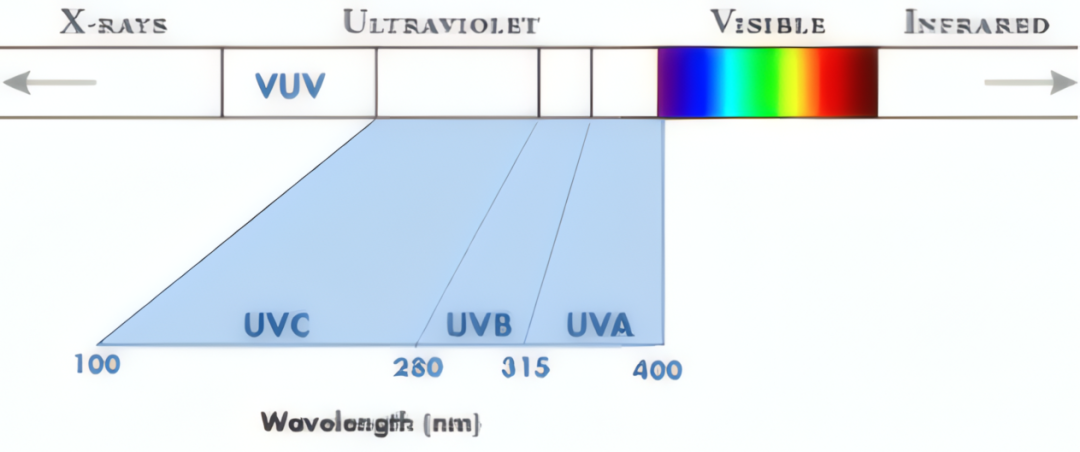
■ 조사시간의 불안정성 (A등급) : 설정한 시간 내에서 조사 출력의 안정성을 의미합니다.. 높은 안정성은 정확하고 반복 가능한 측정 데이터를 얻기 위한 기반입니다.. AM1.5G 태양광 시뮬레이터에서 생성된 빛에는 자외선이 포함되어 있습니까? (자외선) 광선? 루미박스의 UV 자외선 스펙트럼 범위는 채택된 조명 기술에 따라 다릅니다.. AAA 수준의 표준 요구 사항, 300nm~400nm 대역의 자외선에 대한 명확한 규제는 없습니다.: 크세논 램프는 소량의 자외선을 생성합니다.; LED 태양광 시뮬레이터는 자외선이 전혀 없습니다.. AM1.5G 외에, 다른 표준 스펙트럼도 가능 (AM0과 같은, AM1.5D) 시뮬레이션되다? Luminbox는 스펙트럼 사용자 정의를 통해 다중 표준 스펙트럼 시뮬레이션을 달성할 수 있습니다.: 오전 0시 (우주 환경, 대기 감쇠 없음) : 우주선 재료 테스트에 적합, 단, 장비는 대기흡수필터를 제거해야 합니다.; AM1.5D (직접적인 반성 + 확산 반사, 실제 실외 조건에 더 가깝습니다.) : 일부 고급 장치는 하드웨어 수정 없이 소프트웨어를 통해 스펙트럼 모델을 전환할 수 있습니다.. 다양한 유형의 재료/제품을 테스트할 때 주의해야 할 사항? luminbox는 태양광 시뮬레이터의 스펙트럼 매칭 정도에 특별한 주의가 필요합니다.. 비정질 실리콘 박막 배터리 테스트 시, 스펙트럼 응답 범위에 유의할 필요가 있습니다. (~와 같은 400-800 나노 미터) 단결정 실리콘과는 다릅니다.. 단결정 실리콘에 대해 교정된 시뮬레이터를 사용하는 경우, 비정질 실리콘 셀의 테스트 전류는 적외선 대역 광의 과도한 강도로 인해 저하될 수 있습니다., 심각한 오류가 발생함. 태양광 시뮬레이터의 서비스 수명은 얼마나 됩니까?? Luminbox는 주로 광원의 유형에 따라 다릅니다.:
■ 크세논 램프: 일반적인 수명은 대략 1500 시간. 방사조도가 크게 떨어지거나 스펙트럼이 이동하는 경우, 교체가 필요합니다.
■ LED: 매우 긴 수명, 최대 20,000 시간, 매우 느린 스펙트럼 및 출력 감쇠.
■ 할로겐 램프: 수명은 보통 500 그리고 1000 시간, 장비 모델에 따라, 전원 설계 및 실제 사용 조건. 솔라 시뮬레이터의 사용 환경에 대한 특별한 요구 사항이 있습니까?? 습도는 루미박스의 핵심 요소입니다.. 수술실의 습도를 아래로 유지하려면 제습기를 사용하는 것이 가장 좋습니다. 50% 광학 부품의 손상을 방지하기 위해 전원을 켜기 전에. 동시에, 장비는 작동 중에 열을 발생시킵니다. 주변 환경이 잘 환기되고 방열 시스템을 막는 장애물이 없는지 확인하십시오.. 솔라시뮬레이터는 어떤 분야에 주로 적용되나요?? 루미박스
솔라시뮬레이터의 응용이 필요한 재료화학 연구의 응용 범위는 매우 넓습니다., 주로 포함:
■ 태양광발전 분야: I-V 특성 테스트, 효율성 교정, 태양전지 노화 및 수명 연구.
■ 광촉매 연구: 가수분해를 통한 수소생산 등, 이산화탄소 감소, 오염물질 분해, 등.
■ 재료노화시험: 플라스틱의 내구성과 안정성을 평가합니다., 코팅, 직물, 등. 햇빛에 노출되어.
■ 항공우주: 우주 환경에서 우주선 부품의 내후성 테스트.
